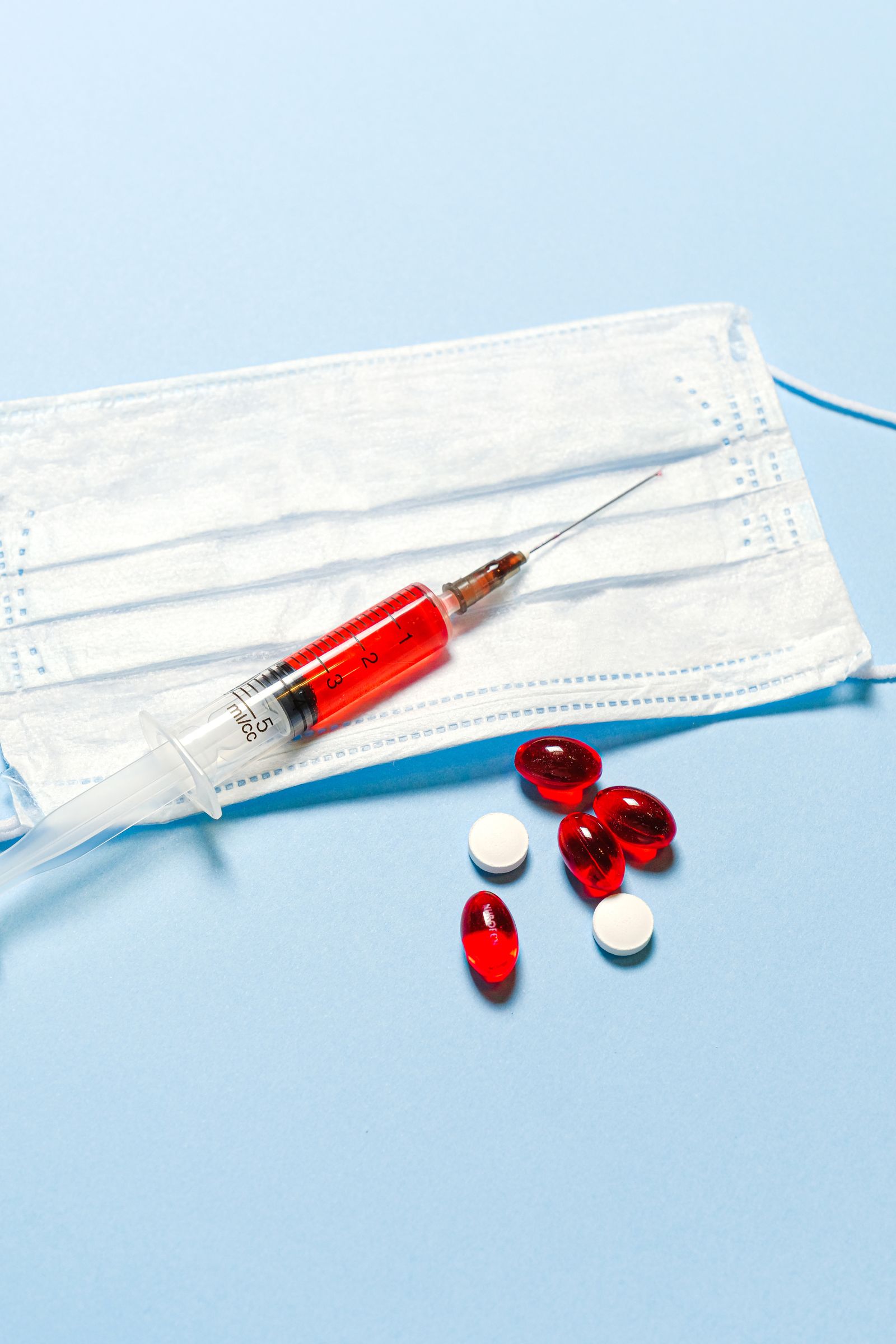
Behind every vaccine vial that reaches a remote clinic and every fish fillet that travels across continents lies an invisible yet vital system: the cold chain. This refrigeration network, which maintains sensitive products at controlled temperatures from origin to consumer, is one of the most strategic and least visible infrastructures of global trade. Without it, neither the mass distribution of biological medicines nor the steady supply of fresh food would be possible.
An estimated 14% of the world's food is lost due to cold chain failures, according to the Food and Agriculture Organization of the United Nations.
A system operating in the shadows
The cold chain spans from large refrigerated warehouses at ports and airports to small insulated containers on urban delivery trucks. Each link must function without interruption: a power cut of a few hours, a equipment breakdown, or a temperature recording error can ruin entire batches of products. For vaccines, especially those requiring ultra-low temperatures, a failure can mean the loss of doses that have cost months of production and millions of dollars in investment.
What is the cold chain?
It is the set of logistical processes that maintain perishable or temperature-sensitive products under controlled conditions. It includes storage, transport, and distribution, and is essential for the pharmaceutical, food, and chemical industries.
The impact of the energy crisis
Volatility in electricity and fossil fuel prices directly affects the operating cost of the cold chain. In regions with unstable power grids, such as parts of Africa and South Asia, blackouts force reliance on diesel generators, raising costs and carbon footprints. The transition to more efficient refrigeration systems powered by renewable energy is a priority for governments and businesses, but the initial investment remains a barrier.
Meanwhile, demand for refrigerated transport is growing, driven by the rise of online food commerce and the expansion of biological drug markets. According to industry estimates, the global cold chain logistics market could exceed $500 billion by 2027, with sustained growth in Asia-Pacific and Latin America.
Global health: the pandemic legacy
The COVID-19 pandemic tested the cold chain like never before. The need to distribute mRNA vaccines, which require storage at -70°C, forced countries and companies to innovate in cryogenic containers, remote monitoring systems, and capillary distribution networks. That investment has not been lost: today, the same infrastructure is used to transport gene therapies, insulins, and other thermolabile drugs, expanding access to advanced treatments in previously underserved regions.
Innovation in monitoring
IoT sensors and artificial intelligence enable real-time tracking of temperature, humidity, and location of shipments. This reduces losses and improves traceability, a key factor for food and pharmaceutical safety.
The last mile challenge
The weakest link in the cold chain is often the final stretch: delivery to retailers, hospitals, or homes. In rural areas of developing countries, lack of reliable electricity and refrigerated vehicles limits the distribution of fresh food and vaccines. Solutions such as solar panels in community warehouses or bicycles with insulated containers are gaining ground, but scale remains insufficient. International organizations and startups are working on business models that combine sustainability and profitability to close that gap.
What does this mean for the world?
The cold chain is a thermometer of global resilience. Its ability to adapt to energy, climate, and health crises determines not only how much food reaches tables, but also which medicines are available to those who need them most. Strengthening it requires investment in renewable energy infrastructure, training of specialized technicians, and development of international standards that facilitate cross-border trade. In a world where average temperatures rise and supply chains become more complex, keeping things cold is a matter of health, equity, and survival.