There was a moment, early in 2025, when artificial intelligence stopped being a front-page headline. Not because it had failed, but because it had simply become part of the air we breathe. After an explosive 2023 of generative AI and a rushed 2024 of regulation, the year that just ended will go down in history as the one when automation quietly settled in.
According to Gartner, by 2025, 85% of new enterprise applications included some form of embedded AI functionality, up from 40% just two years earlier.
The end of the chatbot era
If in 2024 everyone was talking about ChatGPT and its rivals, in 2025 the conversation shifted. Language models stopped being dialog windows and turned into invisible engines. Virtual assistants no longer had a user interface: they were embedded in the car's operating system, the home thermostat, the accounting software of the corner small business. Artificial intelligence as a concept faded away. What remained were results: fewer unanswered emails, faster medical diagnoses, and a bureaucracy that, for the first time, didn't require filling out the same form three times.

But this progress was not uniform. While countries in the Global North integrated automation as just another service, the digital divide widened in the Global South. Connectivity, chip costs, and a lack of local data centers left many regions outside this new layer of invisible infrastructure. Artificial intelligence, which promised to democratize knowledge, often ended up concentrating technological power in the same hands as always.
What is silent automation?
It refers to the integration of AI systems that operate without direct human intervention or a visible interface. For example, algorithms that adjust supermarket prices, delivery routes, or image-based diagnoses, without the user knowing that a language model or computer vision system is behind it.
Jobs that didn't disappear, but transformed
One of the most recurrent fears during 2023 and 2024 was mass job destruction. However, the data from 2025 tells a more nuanced story. According to the International Labour Organization, automation eliminated repetitive tasks in sectors like customer service and basic accounting, but created new job roles: algorithmic bias auditors, automation workflow designers, and autonomous decision supervisors. The real problem was not a lack of work, but the speed of change: millions of people needed to reskill within months, and education systems were not always up to the task.
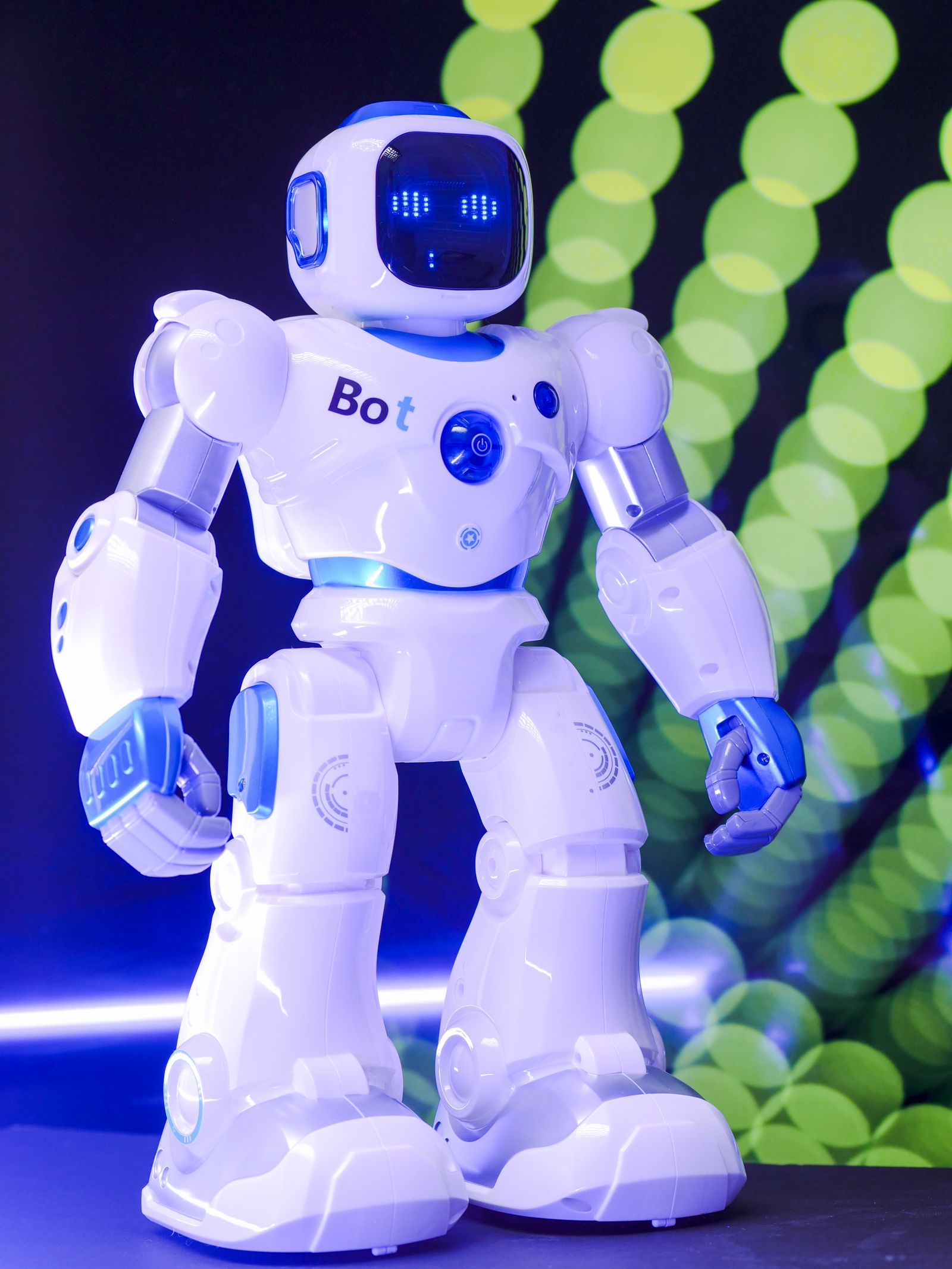
Medicine was one of the fields where silent automation made a tangible difference. AI systems for image diagnosis achieved over 95% accuracy in detecting lung cancer and diabetic retinopathy. In countries like India and Kenya, pilot programs managed to bring these diagnoses to rural areas that previously had no radiologists. Always, though, with a human doctor giving the final sign-off: trust, at least for now, remains human.
Geopolitics of algorithms
On the international stage, 2025 was the year artificial intelligence became a axis of diplomacy. The European Union consolidated its AI Act, establishing the first comprehensive risk framework for automated systems. China, for its part, accelerated its plan to become the world leader in AI by 2030, investing billions in chips and data centers. The United States, caught in between, tried to balance innovation with national security, pushing agreements like the San Francisco Declaration for responsible AI cooperation. Technology, which once seemed apolitical, became its most contested battlefield.
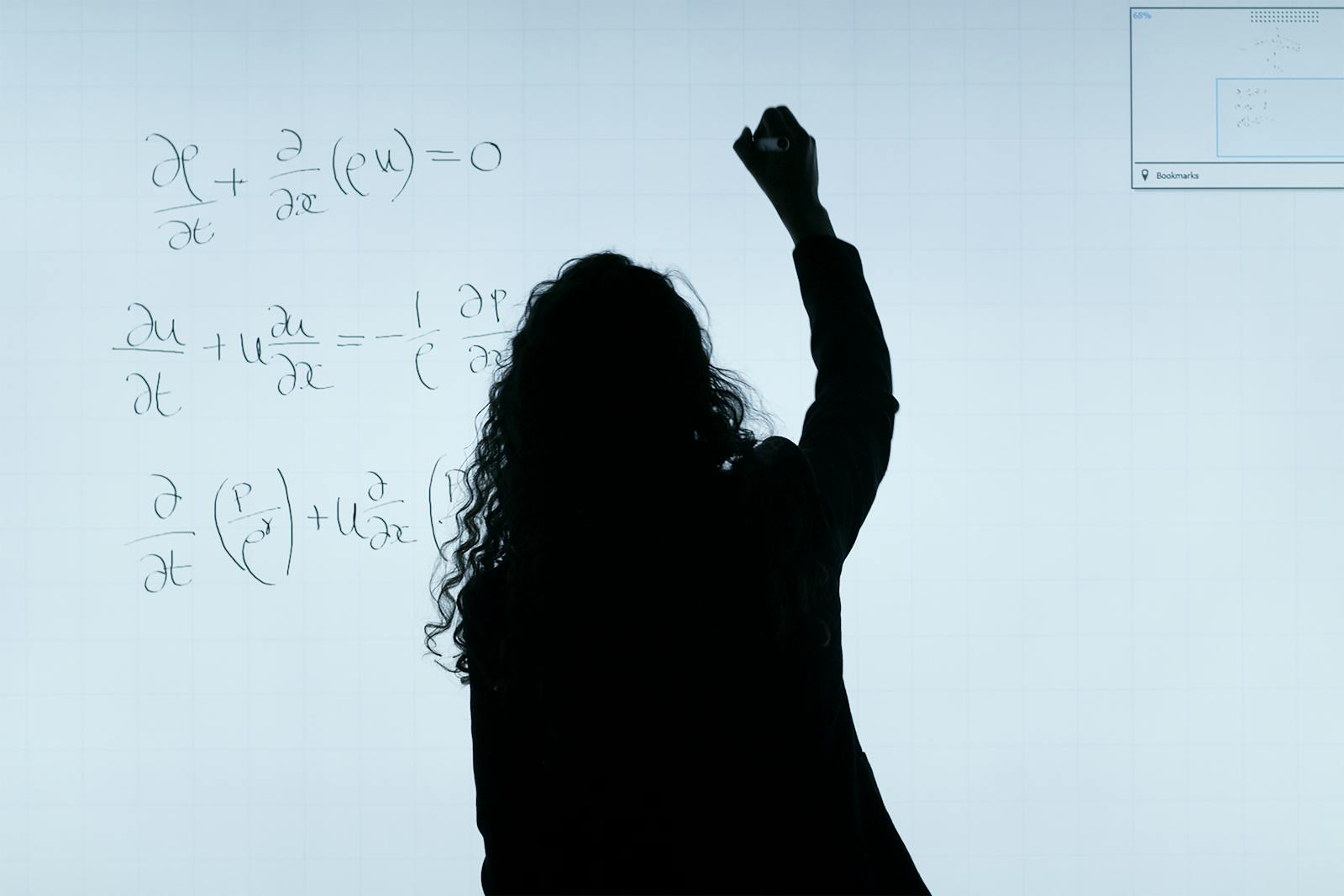
What now?
As 2025 drew to a close, one question hung in the air: what happens when artificial intelligence becomes invisible? The answer, perhaps, is that technology stops being scary and starts being integrated. But also that, by disappearing from sight, it becomes harder to question. The biases, privacy risks, and concentration of power remain, only hidden behind an interface we no longer see. The challenge of the next five years will not be technical, but social: making sure that invisibility does not blind us to what truly matters.